Argon Laser Photocoagulation
Argon laser photocoagulation uses laser energy to seal abnormal retinal blood vessel areas or the tissue around retinal tears, and is used for conditions such as diabetic retinopathy, retinal tears and retinal vein occlusion.

Prof. Dr. Fevzi Şentürk
Ophthalmology · Istanbul
▶ Şeker Hastalığına Bağlı Retina Bozuklukları
{ AI · preliminary guidance }
onlineLet's talk about laser treatment

AI responses do not replace a medical diagnosis.
Konuyla ilgili kısa videolar
Tüm videolar →Kliniğin YouTube kanalından bu konuyla ilgili kısa açıklamalar. Toplam 3 video.

SSR Hastalığı ve Fotodinamik Tedavi Nedir?
Vitrektomi Nedir ve Nasıl Tedavi Edilir?
Katarakt Nedir, Nasıl Tedavi Edilir? (CNN Türk Haber)
Argon laser photocoagulation is an outpatient laser treatment that applies focused laser light to targeted areas of the retina to weld retinal tissue in place or reduce abnormal blood vessel activity.
- Type
- Laser procedure
- Duration
- 15–30 minutes
- Anesthesia
- Topical anaesthesia (eye drops)
- Stay
- Outpatient procedure, no admission required
- Recovery
- Most patients can return to daily activities shortly after the procedure
What Is Argon Laser Photocoagulation?
Argon laser photocoagulation delivers focused laser energy to precise retinal locations, forming small areas of controlled thermal effect. Through the healing process, these treated areas help reattach the retina to underlying structures or limit the development of abnormal blood vessels. This procedure takes place outside a surgical setting and requires only topical anaesthesia, making it suitable for outpatient administration.
When Is Argon Laser Photocoagulation Used?
Argon laser photocoagulation may be considered as a treatment or preventive approach for various retinal disorders:
- Diabetic retinopathy: Panretinal photocoagulation addresses advanced stages by limiting abnormal vessel proliferation, whereas focal laser techniques target diabetic macular oedema specifically.
- Retinal tears and lattice degeneration: Surrounding the affected region with laser application serves to reduce the risk of detachment.
- Retinal vein occlusion: Treatment may help control excessive blood vessel development that follows the vascular occlusion.
- Selected presentations of central serous chorioretinopathy: Application is restricted to specific clinical scenarios.
Treatment suitability depends on the nature and severity of the condition, as determined during comprehensive retinal assessment.
How Is Argon Laser Photocoagulation Performed?
Preparation Before the Procedure
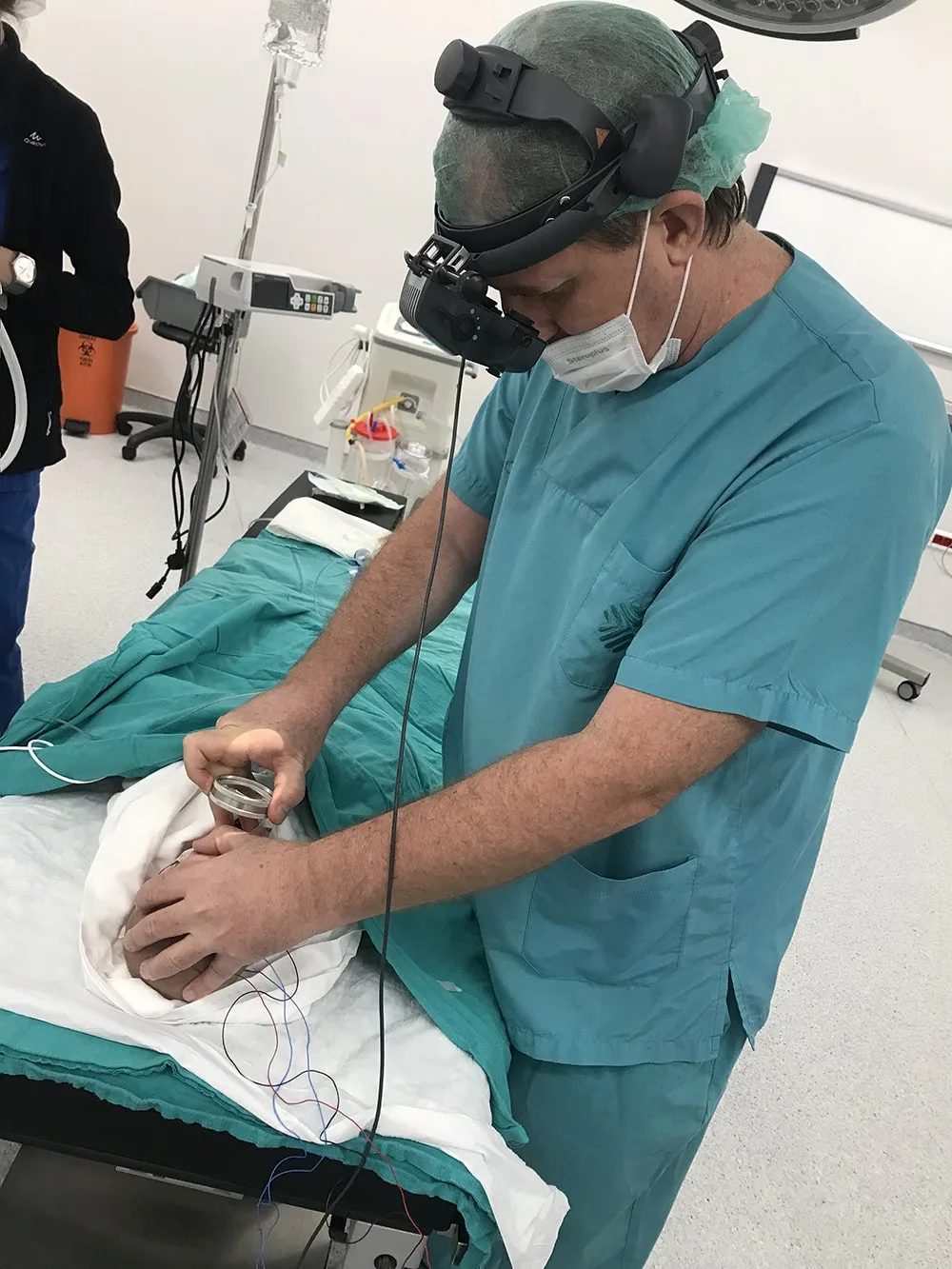
Mydriatic drops enlarge the pupils, followed by application of topical anaesthetic medication to the ocular surface. A specialised contact lens is positioned on the eye to ensure precise laser beam alignment with the retinal target.
Laser Application
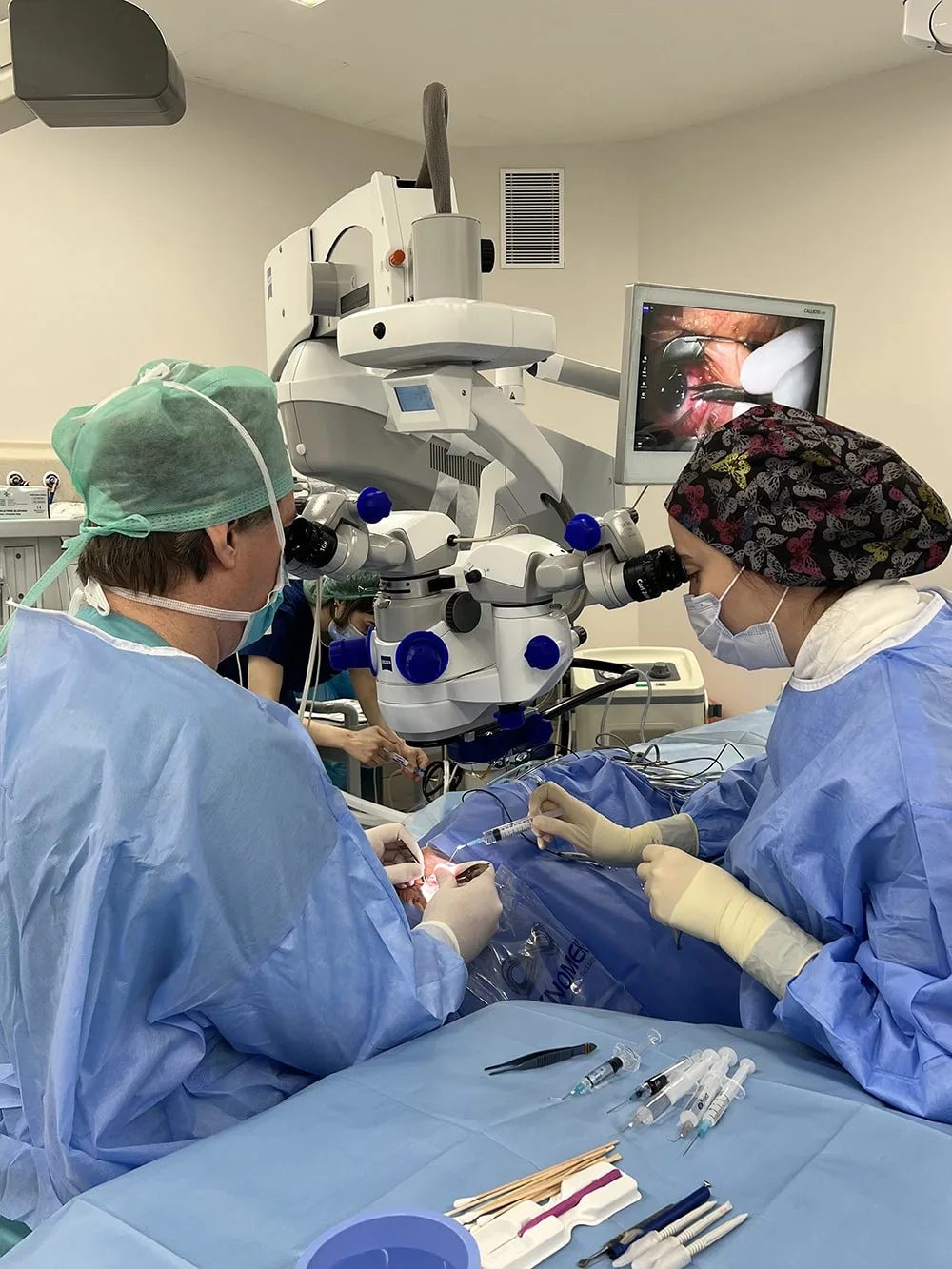
The physician directs controlled laser impulses toward the designated retinal areas using a laser instrument combined with microscopic magnification. Treatment parameters—including pulse frequency and energy level—are individualised based on the condition’s nature and extent. Patients may experience mild sensations of stinging or light flashes during application.
What Is the Process Like After Argon Laser Photocoagulation?
- Temporary visual blurring, photophobia or mild ocular irritation may develop following treatment
- Return to routine activities typically occurs within one to two days
- Certain conditions (such as advanced diabetic retinopathy) may necessitate staged treatment across multiple visits
- Regular follow-up assessments, scheduled according to clinical recommendations, help evaluate treatment outcomes and disease trajectory
What Are the Risks and Limitations of Argon Laser Photocoagulation?
Argon laser photocoagulation is widely regarded as a well-tolerated procedure; however, specific considerations merit attention:
- Extensive panretinal treatment may result in transient or lasting constriction of peripheral or scotopic vision
- Procedural discomfort or ocular pain during or immediately following treatment
- Infrequently, visual function within the treated zone may be affected
- Depending on the underlying condition, repeated treatment sessions may become necessary
- The therapeutic goal typically involves disease stabilisation rather than reversal of pre-existing structural changes
Prior to treatment, detailed discussion with the physician ensures thorough understanding of the procedure’s scope and anticipated effects.
What to Consider Before and After Argon Laser Photocoagulation
- On the day of treatment, pupil dilation requires accompanying transportation and makes driving inadvisable
- Protective eyewear in the hours following the procedure may alleviate symptoms of light sensitivity
- Avoid direct eye pressure or rubbing
- Instil prescribed ocular medications according to provided instructions
- Attendance at scheduled appointments facilitates appropriate monitoring of the ocular condition
For individualised assessment and comprehensive information regarding argon laser photocoagulation, consultation with a retinal specialist is advisable.
Frequently Asked Questions
What is argon laser photocoagulation?
Argon laser photocoagulation is a treatment that applies controlled laser energy to targeted areas of the retina to weld tissue in place or reduce abnormal blood vessel activity.
What conditions is argon laser photocoagulation used for?
It can be used to treat or prevent several retinal conditions, including diabetic retinopathy, retinal tears, lattice degeneration and retinal vein occlusion.
Is argon laser photocoagulation painful?
The procedure is performed under topical anaesthesia; a mild stinging or flashing sensation may occur during treatment, but it is generally well tolerated.
How long does argon laser photocoagulation take?
The procedure usually takes 15–30 minutes and is performed on an outpatient basis, without requiring admission.
How many sessions are needed to complete argon laser photocoagulation?
Depending on the type and extent of the condition, treatment may be completed in a single session or may require multiple sessions.
Does vision change after argon laser photocoagulation?
Extensive treatment (panretinal photocoagulation) can cause a temporary or permanent reduction in peripheral vision and night vision; this is assessed by the doctor before the procedure.
Does argon laser photocoagulation reverse existing retinal damage?
No. Laser treatment generally aims to slow or halt the progression of the disease rather than reverse existing damage.
Can I drive after the procedure?
Because the pupils are dilated, vision may be blurred afterward; it is advisable not to drive on the day of the procedure and to arrange for someone to accompany you if possible.
Treatments often evaluated together
-
Diabetic Retinopathy
Diabetic retinopathy is a retinal disease caused by long-term high blood sugar damaging the blood vessels of the retina, and is one of the major causes of vision loss in people with diabetes.
-
Glaucoma Treatment
Glaucoma is a chronic eye disease that causes progressive damage to the optic nerve, often related to elevated intraocular pressure, and can lead to permanent vision loss if left untreated.
-
Retinal Detachment
Retinal detachment occurs when the retina separates from its underlying supporting tissue and is a serious eye condition that requires urgent evaluation.

Book an Appointment
Your information reaches Prof. Dr. Fevzi Şentürk's clinic. A response is made within 24 hours.