Smart Lens (Trifocal IOL)
A smart lens (trifocal intraocular lens) is a specially designed IOL implanted during cataract surgery or refractive lens exchange, aiming to support vision at far, intermediate and near distances.

Prof. Dr. Fevzi Şentürk
Ophthalmology · Istanbul
▶ Günümüzde Yapılan Katarakt Ameliyatının Avantajları
{ AI · preliminary guidance }
onlineLet's talk about cataracts

AI responses do not replace a medical diagnosis.
Konuyla ilgili kısa videolar
Tüm videolar →Kliniğin YouTube kanalından bu konuyla ilgili kısa açıklamalar. Toplam 3 video.

Katarakt Nedir, Nasıl Tedavi Edilir? (CNN Türk Haber)
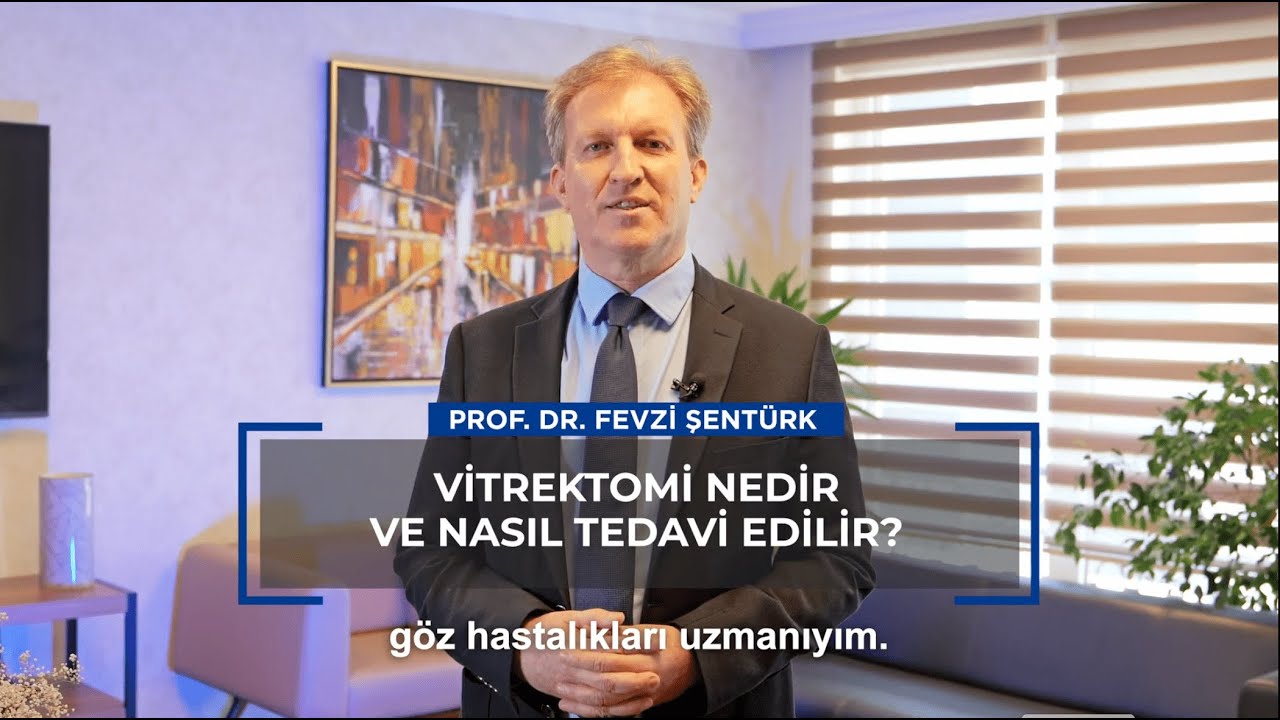
Vitrektomi Nedir ve Nasıl Tedavi Edilir?

Retina Hastalıkları ve Tedavi Yöntemleri (CNN Türk Haber)
A smart lens is a trifocal intraocular lens that splits light into three focal points to support vision at far, intermediate and near distances; it is implanted during cataract surgery or through refractive lens exchange.
- Type
- Surgical
- Duration
- 10–20 minutes
- Anesthesia
- Topical or local anaesthesia
- Stay
- Day case
- Recovery
- Vision starts clearing within the first days; full adaptation within a few weeks
What Is a Smart Lens (Trifocal IOL)?
A trifocal intraocular lens (IOL), commonly referred to as a smart lens, represents a technological approach in lens replacement during cataract surgery or refractive lens exchange procedures. The distinguishing feature of a trifocal lens lies in its ability to distribute light across three separate focal zones—addressing vision at distance, intermediate range, and near viewing distances. This optical design aims to diminish reliance on corrective eyewear for various everyday visual tasks following the surgical procedure.
Implantation of these lenses occurs through the identical surgical technique employed in cataract surgery, whereby the eye’s original lens is extracted and substituted with an artificial alternative. When applied to patients without cataracts who seek to reduce dependence on glasses due to presbyopia (the age-related decline in near-vision focusing ability), this intervention is termed “refractive lens exchange.”
Who May Be a Candidate for a Smart Lens?
Smart lens implantation is not universally appropriate; careful patient assessment forms an essential part of the decision-making process. The evaluating ophthalmologist examines:
- Overall structural integrity of the eye’s components (retina, cornea, optic nerve)
- Concurrent ocular pathologies (such as severe glaucoma or macular degeneration)
- Corneal surface irregularities or prior refractive surgical interventions
- The individual’s lifestyle requirements and visual objectives
- Specific occupational or recreational demands, including frequent evening or night driving
Eyes presenting with substantial retinal or optic nerve compromise may demonstrate limited visual quality outcomes with a trifocal lens; therefore, thorough clinical assessment and diagnostic imaging are prerequisites for informed decision-making.
How Does a Smart Lens Differ From Other Intraocular Lens Types?
- Monofocal lens: Delivers sharp vision predominantly at one distance, typically distance vision; supplemental correction is generally necessary for intermediate or near range viewing.
- Multifocal/trifocal lens (smart lens): Endeavors to facilitate vision across distance, intermediate and near zones, thereby reducing glasses dependency.
- Toric lens: Addresses inherent astigmatism; this design may also incorporate trifocal technology.
The selection of lens type is determined individually, taking into account the eye’s unique optical properties and the patient’s anticipated visual requirements.
How Is Smart Lens Surgery Performed?
Phacoemulsification or Refractive Lens Exchange
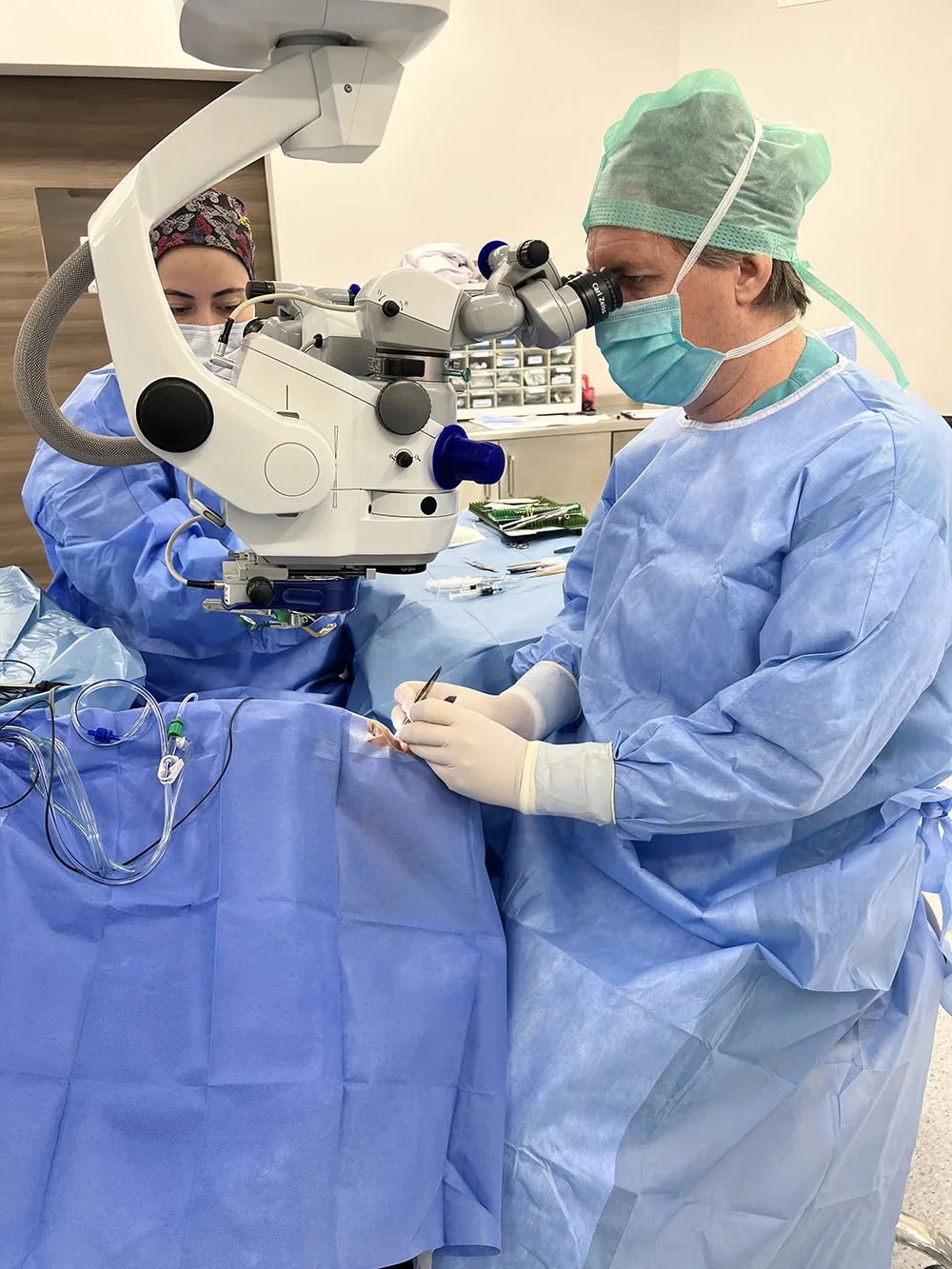
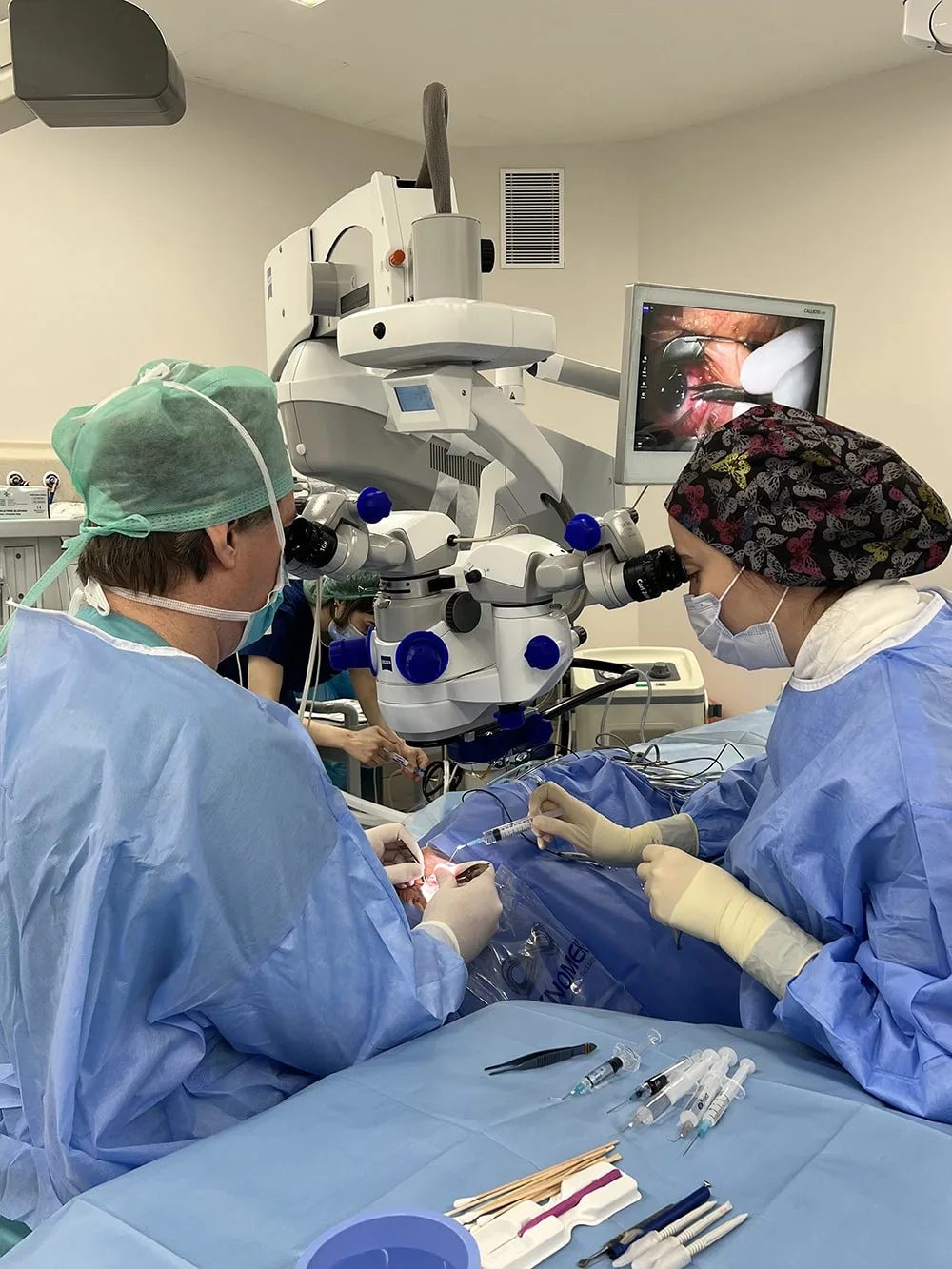
The surgical approach employs phacoemulsification methodology, identical to standard cataract procedures. Via a minimal surgical opening, the eye’s natural lens—whether affected by cloudiness or optically clear—undergoes fragmentation and removal; a foldable trifocal lens is subsequently positioned through the same minimal incision.
Trifocal Lens Technology
The optical mechanism within trifocal lenses employs a refined design that simultaneously directs light toward three distinct focal zones. The visual cortex progressively becomes accustomed to distinguishing and selecting the clearest image from among these multiple focal options; this neural adaptation timeline differs across individuals.
Pre-Operative Evaluation for a Smart Lens
Comprehensive ocular assessment precedes the surgical decision. The evaluation typically encompasses:
- Corneal surface mapping and biometric calculations
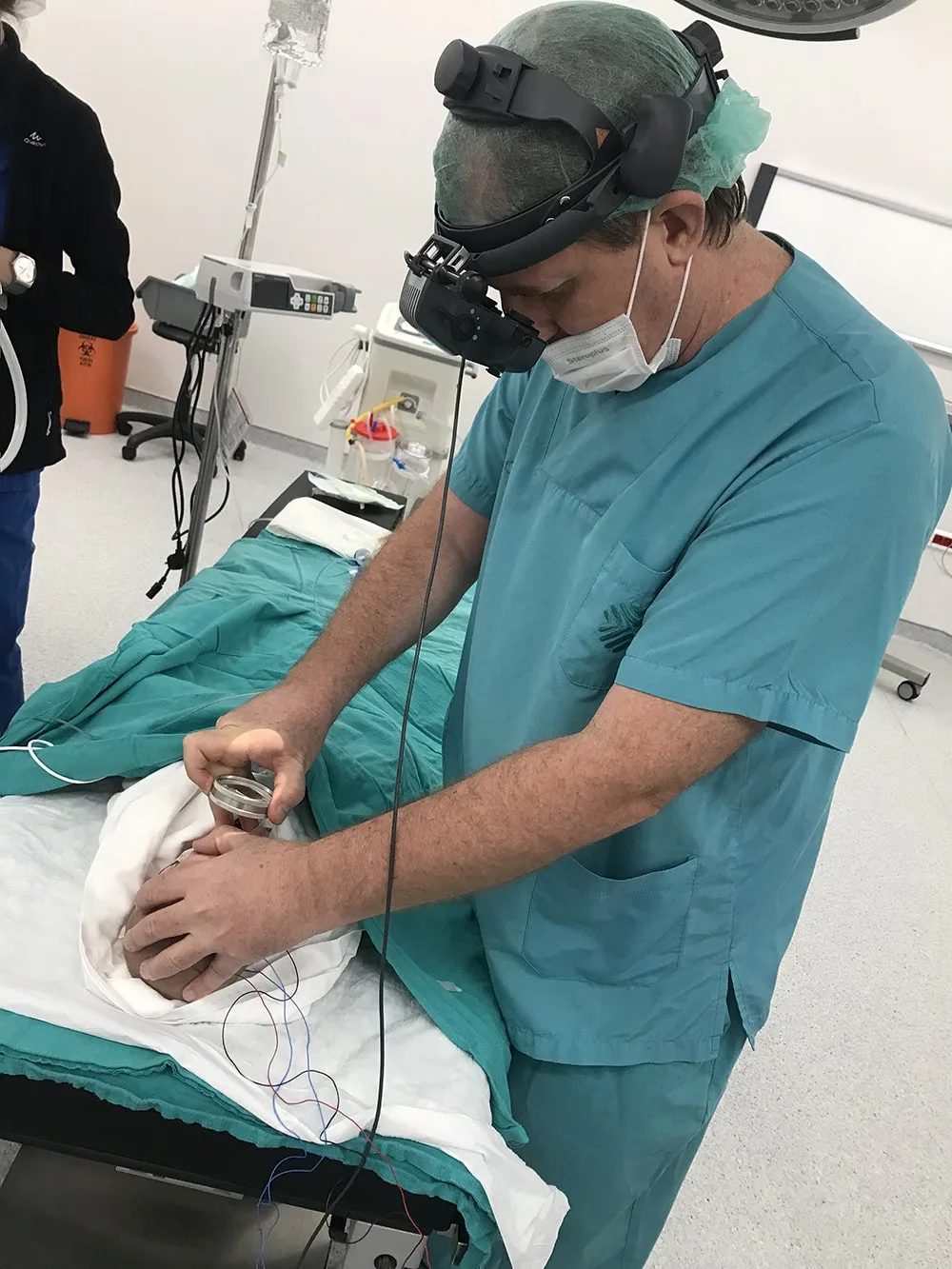
- Posterior segment and macular assessment
- Intraocular pressure determination
- Ocular surface and lacrimal film evaluation
- Thorough discussion regarding the patient’s daily visual activities and anticipated outcomes
This preliminary phase is critical for determining optimal lens power selection and establishing realistic alignment between anticipated outcomes and the procedure’s actual capabilities.
What Is the Recovery Process Like After Smart Lens Surgery?
- Visual improvement frequently emerges within the initial post-operative days
- Complete adaptation to trifocal vision typically requires several weeks
- Adherence to the prescribed topical medication regimen facilitates tissue healing
- Attendance at scheduled follow-up examinations allows proper monitoring of healing progress
What Are the Risks and Limitations of Smart Lens Surgery?
Smart lens procedures involve operative risks inherent to cataract surgery (such as microbial contamination, temporary elevation of intraocular pressure, and posterior lens membrane thickening), alongside considerations unique to trifocal lens technology:
- Radiating rings and light scatter around nocturnal light sources, particularly during evening driving conditions
- Moderately diminished visual contrast relative to single-focus lens options
- Extended acclimatization duration in certain individuals
- Infrequently, supplementary interventions may be indicated should the anticipated visual outcome remain suboptimal
These phenomena tend to diminish progressively, though resolution patterns vary among patients. Thorough pre-operative discussion ensures expectations remain grounded in realistic outcomes.
What Should Be Considered in Daily Life After Smart Lens Surgery?
- Prevention of direct aqueous contact with the eye and avoidance of manual eye contact
- Minimizing exposure to particulate matter and airborne irritants during early recovery
- Consistent administration of prescribed ocular medications according to the specified protocol
- Enhanced care during challenging visual tasks, particularly nighttime driving, until neural adaptation progresses
- Regular attendance at clinical follow-up visits facilitates comprehensive monitoring of the healing trajectory
Consultation with an eye care specialist through comprehensive examination provides personalized guidance regarding smart lens candidacy and procedural details.
Frequently Asked Questions
What is a smart lens (trifocal IOL)?
A smart lens is a specially designed intraocular lens that directs light to three focal points corresponding to far, intermediate and near distances. It is implanted during cataract surgery or refractive lens exchange.
Is a smart lens suitable for everyone?
No. Suitability is determined by evaluating the eye's overall health, any coexisting conditions and the patient's visual expectations. Some retinal or corneal conditions may make this lens type unsuitable.
What is the difference between a smart lens and a monofocal lens?
A monofocal lens usually provides clear vision at a single distance, while a smart lens aims to support vision at far, intermediate and near distances, reducing dependence on glasses.
Is smart lens surgery different from cataract surgery?
The surgical technique is the same (phacoemulsification); the difference lies in the type of lens implanted. In patients without a cataract, the same procedure is called refractive lens exchange.
Can night vision be affected after a smart lens is implanted?
Some patients notice halos or glare around lights, particularly at night. This effect usually diminishes over time, although it may not resolve the same way for every patient.
Will I be completely glasses-free after smart lens surgery?
The goal is to reduce dependence on glasses; however, depending on the eye's other characteristics, some need for glasses may remain in certain cases. This is discussed with the doctor before surgery.
How long does smart lens surgery take?
The procedure usually takes 10–20 minutes and is completed as a day case.
How long does it take to adapt to a smart lens?
Adaptation to trifocal vision varies between patients but generally improves noticeably within a few weeks.
Treatments often evaluated together
-
Cataract Surgery
Cataract surgery is the procedure in which the eye's natural lens, clouded by a cataract, is removed and replaced with an artificial intraocular lens (IOL) to correct blurred vision.
-
Macular Degeneration (Age-Related)
Macular degeneration (age-related macular degeneration) is a retinal condition affecting the macula, the central part of the retina, and is one of the leading causes of central vision loss in older adults.
-
Glaucoma Treatment
Glaucoma is a chronic eye disease that causes progressive damage to the optic nerve, often related to elevated intraocular pressure, and can lead to permanent vision loss if left untreated.


Book an Appointment
Your information reaches Prof. Dr. Fevzi Şentürk's clinic. A response is made within 24 hours.