Cataract Surgery
Cataract surgery is the procedure in which the eye's natural lens, clouded by a cataract, is removed and replaced with an artificial intraocular lens (IOL) to correct blurred vision.

Prof. Dr. Fevzi Şentürk
Ophthalmology · Istanbul
▶ Katarakt Nedir, Nasıl Tedavi Edilir? (CNN Türk Haber)
{ AI · preliminary guidance }
onlineLet's talk about cataracts

AI responses do not replace a medical diagnosis.
Konuyla ilgili kısa videolar
Tüm videolar →Kliniğin YouTube kanalından bu konuyla ilgili kısa açıklamalar. Toplam 3 video.

Günümüzde Yapılan Katarakt Ameliyatının Avantajları

Vitrektomi Nedir ve Nasıl Tedavi Edilir?

Retina Hastalıkları ve Tedavi Yöntemleri (CNN Türk Haber)
Cataract surgery is a commonly performed eye procedure in which the eye's clouded natural lens is removed and replaced with an artificial intraocular lens.
- Type
- Surgical
- Duration
- 10–20 minutes
- Anesthesia
- Topical or local anaesthesia
- Stay
- Day case
- Recovery
- Vision starts clearing within the first days; full recovery within a few weeks
What Is Cataract Surgery?
During cataract surgery, the lens of the eye becomes clouded and is surgically extracted, then replaced with an artificial intraocular lens (IOL). This procedure aims to restore the eye’s capacity to focus light properly onto the retina, thereby enhancing vision.
Cataracts often develop with advancing age, although they may also occur earlier as a result of eye injury, underlying conditions such as diabetes, or prolonged use of corticosteroid medications.
What Are the Symptoms of Cataracts?
Cataracts typically develop gradually and may involve:
- Vision that appears blurred or hazy
- Greater discomfort from bright light and glare
- Challenges with seeing in low-light conditions
- A perception that colours have become less vivid
- A need to update glasses prescription on a regular basis
The extent to which symptoms manifest differs among individuals and tends to worsen progressively over an extended period.
When Is Cataract Surgery Needed?
Surgery is not automatically required for every cataract that is identified. The procedure is typically recommended when:
- Routine tasks such as reading, driving or computer work become increasingly difficult
- Sensitivity to glare and night-vision problems become more pronounced
- The cataract interferes with examining another eye condition, such as during retinal assessment
The timing of intervention involves evaluating visual measurements alongside the individual’s functional requirements.
How Is Cataract Surgery Performed?
Phacoemulsification Technique
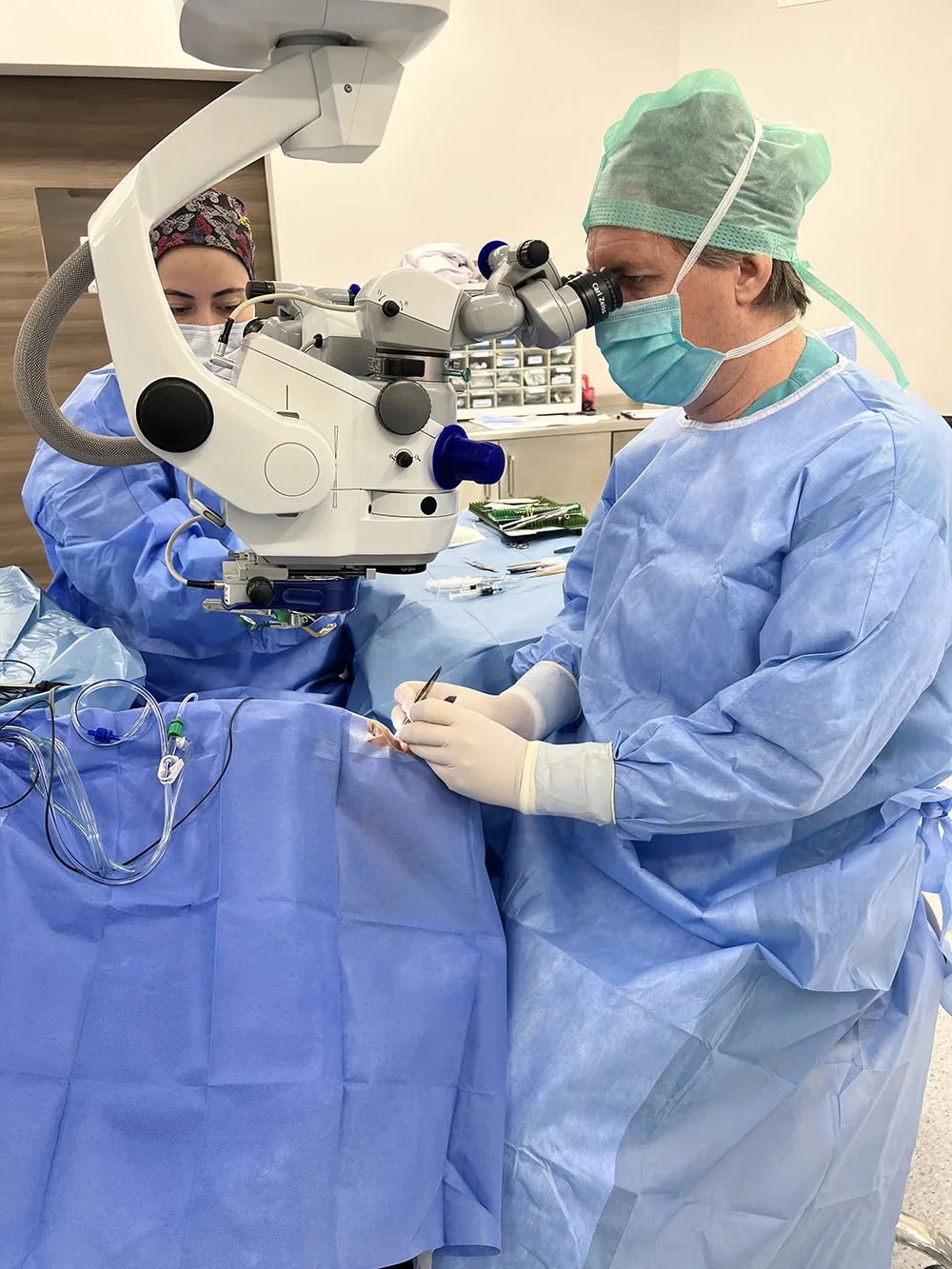
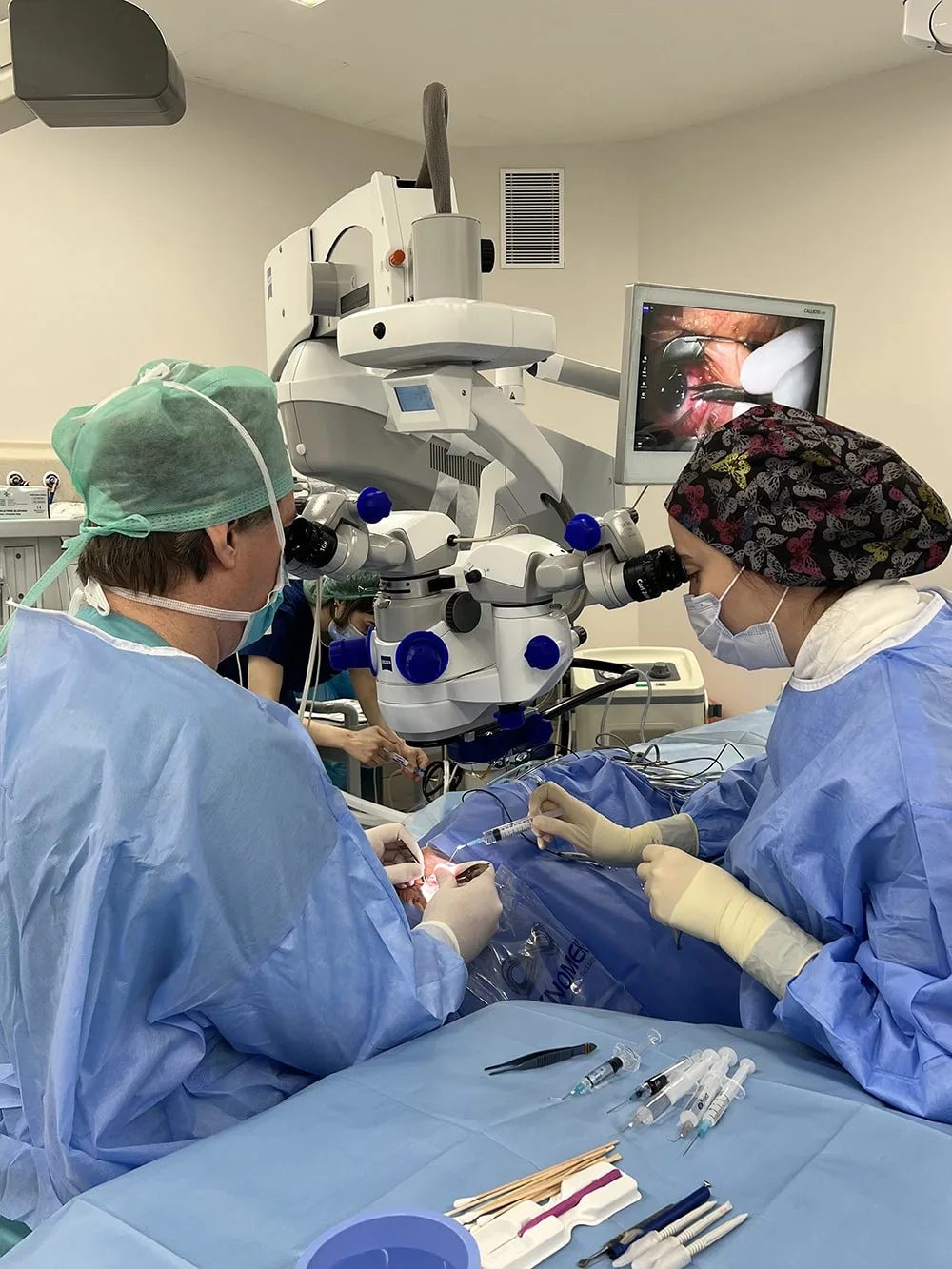
Phacoemulsification remains the predominant method in contemporary practice. An ultrasonic probe is introduced through a minimal incision to break apart and extract the opaque lens tissue. A foldable artificial intraocular lens is subsequently placed through the same small opening.
Types of Anaesthesia
The procedure typically takes place with topical (applied as drops) or local anaesthesia, allowing the patient to remain conscious while experiencing no discomfort. General anaesthesia is applied only in particular cases.
Intraocular Lens (IOL) Options
- Monofocal lens: Delivers sharp focus at one fixed distance, typically distance vision.
- Multifocal/trifocal lens: Designed to provide functional vision across far, intermediate and near focal points.
- Toric lens: Addresses pre-existing astigmatism correction.
The choice of lens reflects the individual eye’s characteristics, personal lifestyle factors and visual goals.
What Is the Recovery Process Like After Cataract Surgery?
The eye is typically shielded with a protective covering following the procedure. Administering prescribed eye drops as instructed promotes proper healing.
- Mild discomfort, tearing or light sensitivity may occur in the initial post-operative days
- Vision often begins to clarify within the first several days
- Complete visual stabilisation typically requires several weeks
- Scheduled follow-up appointments should be attended as recommended
What Are the Risks and Complications of Cataract Surgery?
Although cataract surgery is routinely performed and regarded as a safe procedure, surgical intervention may involve potential risks:
- Infection (endophthalmitis) — uncommon yet serious
- A temporary increase in eye pressure
- Development of cloudiness in the lens capsule at a later time
- Retinal detachment — infrequently observed, notably in individuals with significant myopia
- Possible displacement of the artificial lens
Should intensifying discomfort, sudden deterioration in vision, eye redness or fluid discharge develop following the operation, prompt consultation with an eye care professional is advisable.
What Should Be Considered in Daily Life After Cataract Surgery?
- Prevent water contact with the eye and avoid touching or pressing on it
- Minimising exposure to dusty or smoke-filled spaces for an initial period is recommended
- Strenuous activities and forward bending may warrant restriction during early healing
- Consistent use of prescribed drops according to the specified regimen is essential
- Regular attendance at scheduled follow-up visits allows ongoing assessment of the healing process
For comprehensive guidance and an individualised assessment regarding cataract surgery, an eye examination is recommended.
Frequently Asked Questions
What is a cataract?
A cataract is the gradual clouding of the eye's natural lens, which prevents light from reaching the retina clearly. It causes blurred vision, glare sensitivity and other visual complaints.
When is cataract surgery needed?
Surgery is considered once the cataract begins to noticeably affect daily activities such as reading, driving or recognising faces. The decision is made by evaluating visual acuity together with the patient's daily needs.
Is cataract surgery painful?
The procedure is performed under topical or local anaesthesia, so no pain is felt during surgery. Mild stinging or a foreign-body sensation afterward is normal and usually resolves quickly.
How long does cataract surgery take?
Cataract surgery performed with the phacoemulsification technique usually takes 10–20 minutes and is completed as a day case.
What intraocular lens options are available?
Options include monofocal, multifocal/trifocal and toric lenses. The most suitable lens is determined based on the eye's structure and the patient's visual expectations.
When will I start seeing clearly after cataract surgery?
Most patients notice a marked improvement in visual clarity within the first days; full stabilisation may take a few weeks.
Are both eyes operated on at the same time?
The two eyes are usually operated on in separate sessions, a few weeks apart, allowing each eye's healing to be assessed individually.
Can a cataract come back after surgery?
Since the natural lens is removed, a cataract cannot recur; however, the lens capsule may cloud over time (posterior capsule opacification), which can be treated with a simple laser procedure.
Will I still need glasses after cataract surgery?
Depending on the intraocular lens chosen and the eye's other characteristics, some need for distance or near glasses may remain. This is discussed with the doctor before surgery.
Treatments often evaluated together
-
Smart Lens (Trifocal IOL)
A smart lens (trifocal intraocular lens) is a specially designed IOL implanted during cataract surgery or refractive lens exchange, aiming to support vision at far, intermediate and near distances.
-
Macular Degeneration (Age-Related)
Macular degeneration (age-related macular degeneration) is a retinal condition affecting the macula, the central part of the retina, and is one of the leading causes of central vision loss in older adults.
-
Glaucoma Treatment
Glaucoma is a chronic eye disease that causes progressive damage to the optic nerve, often related to elevated intraocular pressure, and can lead to permanent vision loss if left untreated.


Book an Appointment
Your information reaches Prof. Dr. Fevzi Şentürk's clinic. A response is made within 24 hours.