Intravitreal Injection
Intravitreal injection is a procedure used to treat retinal diseases such as macular degeneration, diabetic macular oedema and retinal vein occlusion, in which medication is delivered directly into the eye.

Prof. Dr. Fevzi Şentürk
Ophthalmology · Istanbul
▶ Retina Hastalıkları ve Tedavi Yöntemleri (CNN Türk Haber)
{ AI · preliminary guidance }
onlineLet's talk about your retina

AI responses do not replace a medical diagnosis.
Konuyla ilgili kısa videolar
Tüm videolar →Kliniğin YouTube kanalından bu konuyla ilgili kısa açıklamalar. Toplam 3 video.

Sarı Nokta Hastalığı Nedir? (CNN Türk Haber)

Şeker Hastalığına Bağlı Retina Bozuklukları

Sarı Nokta Hastalığı Nedir?
Intravitreal injection is a procedure in which medication — usually an anti-VEGF drug — used to treat retinal diseases is delivered directly into the eye in a clinical setting.
- Type
- Interventional procedure
- Duration
- A few minutes
- Anesthesia
- Topical anaesthesia (eye drops)
- Stay
- Same-day discharge
- Recovery
- Return to daily activities shortly after the procedure
What Is an Intravitreal Injection?
This procedure involves administering therapeutic agents directly into the eye’s vitreous cavity to address retinal pathology. By delivering medication in this manner, the treatment reaches retinal tissue with optimal therapeutic effect.
Anti-VEGF (anti-vascular endothelial growth factor) agents represent the primary medications employed through this route, functioning to inhibit pathological neovascularisation and vascular leakage.
What Conditions Are Treated With Intravitreal Injections?
Intravitreal injection therapy may be considered for various retinal conditions, including:
- Age-related macular degeneration (wet form)
- Diabetic macular oedema
- Macular oedema secondary to retinal vein occlusion
- Selected other retinal vascular pathologies
Treatment initiation follows comprehensive dilated fundus examination and multimodal imaging evaluation, including optical coherence tomography (OCT).
How Is an Intravitreal Injection Performed?
Preparation
The ocular surface undergoes antiseptic preparation, and topical anaesthetic agents are instilled prior to the procedure. These measures reduce discomfort during the injection phase.
Administration
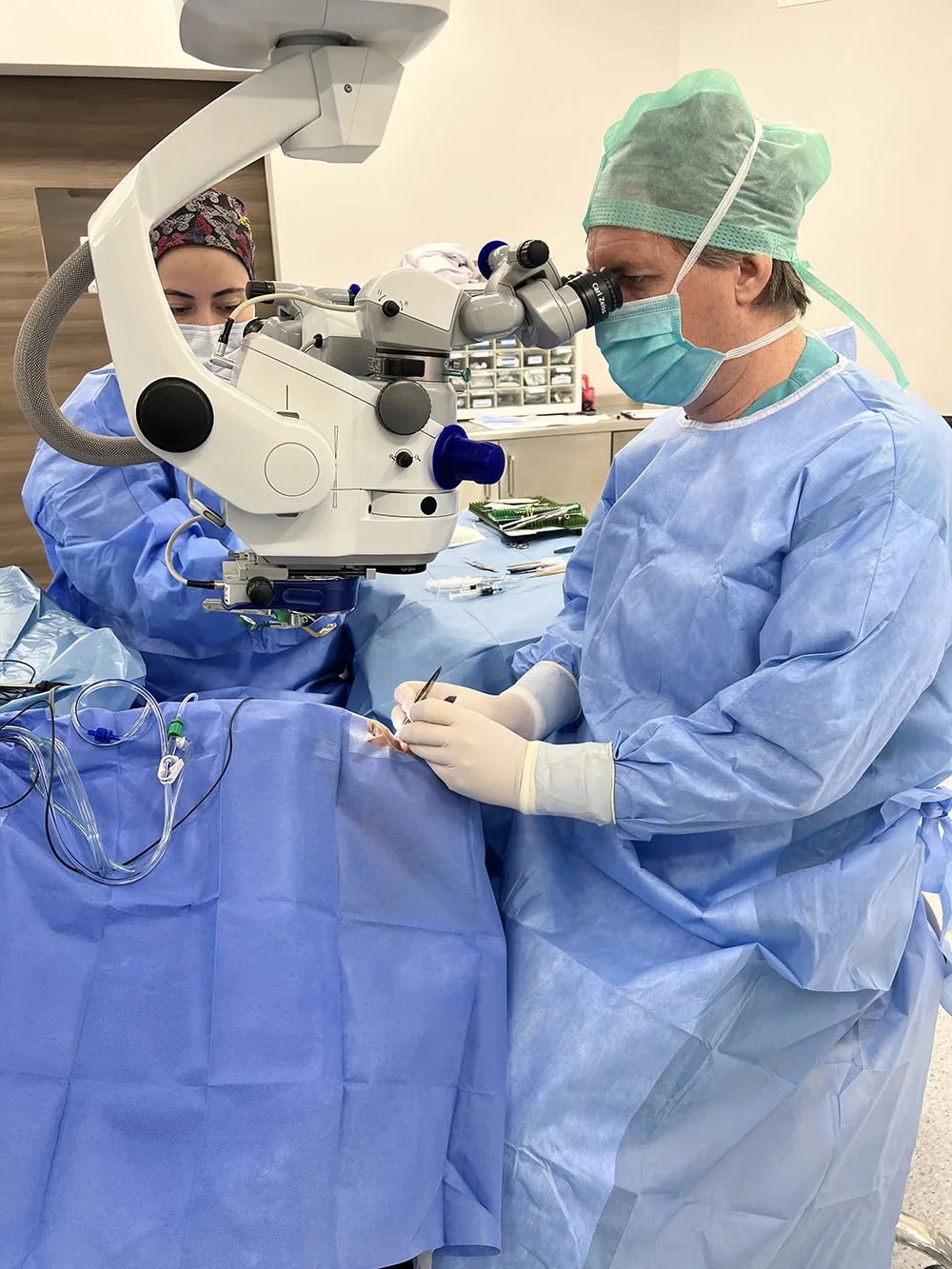
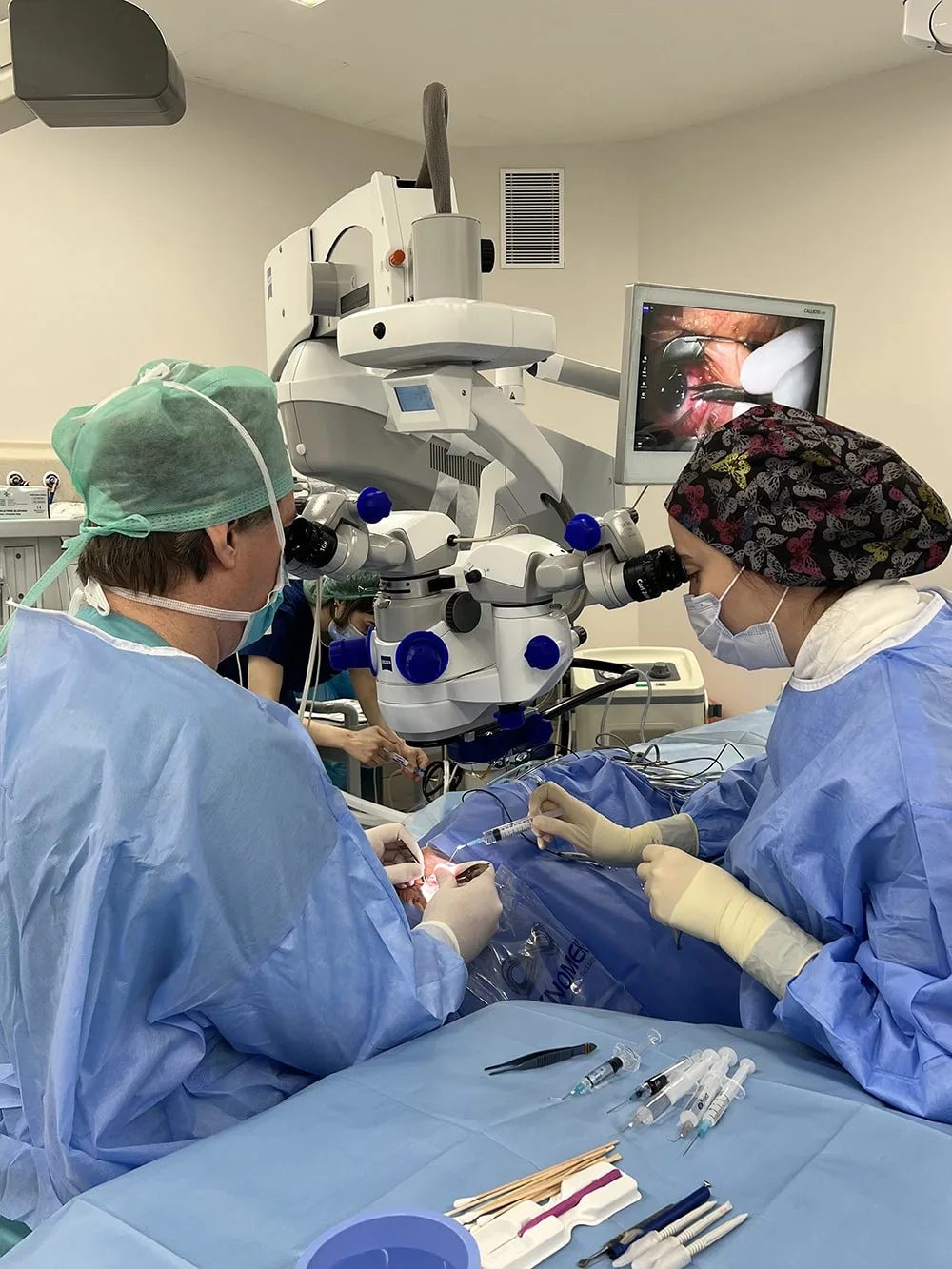
A micro-gauge needle is used to introduce the therapeutic agent through the sclera into the vitreous space. The procedure concludes within several minutes and takes place in a sterile clinical environment under appropriate conditions.
Post-Procedure Check
Brief post-injection examination is performed, following which the patient typically returns home the same day.
What Is the Treatment Protocol for Intravitreal Injections?
Treatment intervals are determined by the underlying diagnosis and individual treatment response patterns. Initial protocols frequently incorporate monthly injections; as the condition stabilises, the physician may gradually extend the interval between administrations. Ongoing evaluation utilises serial dilated examinations and imaging modalities to monitor therapeutic progress.
What Is the Recovery Process Like After an Intravitreal Injection?
- Mild conjunctival injection, epiphora, or mild discomfort typically occurs and resolves within a brief period
- Prescribed lubricating drops should be used as directed
- The eye should be protected from water exposure and direct manipulation for a specified duration
- Return to routine activities generally occurs without delay
What Are the Risks of an Intravitreal Injection?
Intravitreal injection is regarded as a relatively low-risk procedure; however, potential adverse events, though uncommon, may include:
- Endophthalmitis (intraocular infection) — an uncommon but serious complication requiring immediate intervention
- Transient elevation in intraocular pressure
- Intraocular haemorrhage
- Retinal detachment — exceptionally rare
Immediate medical evaluation is warranted if acute severe ocular pain, significant vision reduction, progressive conjunctival injection, or photophobia develops following the procedure.
What Should Be Considered After an Intravitreal Injection?
- Adherence to scheduled follow-up examinations is essential for evaluating therapeutic response
- Post-injection symptoms including discomfort, conjunctival changes, or visual disturbances warrant careful observation
- Compliance with the prescribed treatment schedule assists in maintaining disease control
Comprehensive clinical assessment by an ophthalmologist is recommended to discuss intravitreal injection therapy and its suitability in individual circumstances.
Frequently Asked Questions
What is an intravitreal injection?
An intravitreal injection is the direct delivery of medication used to treat retinal diseases into the vitreous cavity of the eye. The most commonly used medications are anti-VEGF drugs.
What conditions are treated with intravitreal injections?
It can be used for wet macular degeneration, diabetic macular oedema, oedema related to retinal vein occlusion, and certain other retinal vascular conditions.
Is an intravitreal injection painful?
Topical anaesthetic drops are applied to the eye before the procedure. Most patients report a mild pressure sensation during the injection, with little to no significant pain.
How long does an intravitreal injection take?
The injection itself is completed within a few minutes. Including preparation and a brief post-injection check, the overall clinic visit is short.
How many times is an intravitreal injection repeated?
The treatment frequency depends on the condition, the patient's response to treatment, and the protocol determined by the doctor. Treatment often starts with monthly injections, with intervals extended based on response.
What should be done after an intravitreal injection?
Mild redness, watering, or a stinging sensation is normal after the procedure. Avoiding water contact with the eye and using the drops recommended by the doctor is advised.
What are the risks of an intravitreal injection?
Although rare, risks can include infection (endophthalmitis), a temporary rise in intraocular pressure, and intraocular bleeding. A doctor should be seen immediately in case of sudden, severe pain or a marked decrease in vision.
Does vision improve immediately after an intravitreal injection?
The effect on vision is not immediate and may develop gradually over days to weeks. In some cases, the goal is to preserve existing vision, and a marked improvement should not always be expected.
Can both eyes be injected on the same day?
Depending on clinical evaluation, both eyes can sometimes be treated on the same day with separate preparations for each. This decision is made individually by the doctor.
Treatments often evaluated together
-
Macular Degeneration (Age-Related)
Macular degeneration (age-related macular degeneration) is a retinal condition affecting the macula, the central part of the retina, and is one of the leading causes of central vision loss in older adults.
-
Diabetic Retinopathy
Diabetic retinopathy is a retinal disease caused by long-term high blood sugar damaging the blood vessels of the retina, and is one of the major causes of vision loss in people with diabetes.
-
Retinal Detachment
Retinal detachment occurs when the retina separates from its underlying supporting tissue and is a serious eye condition that requires urgent evaluation.


Book an Appointment
Your information reaches Prof. Dr. Fevzi Şentürk's clinic. A response is made within 24 hours.